

Virtual Influencers: Redefining Social Media—But at What Cost?
By heidi | August 2024

Why Virtual Influencers Are Taking Over Social Media
In 2024, I stumbled upon an unsettling incident involving Ike eveland, a virtual influencer from Sweden under the NijiSanji Vtuber brand.
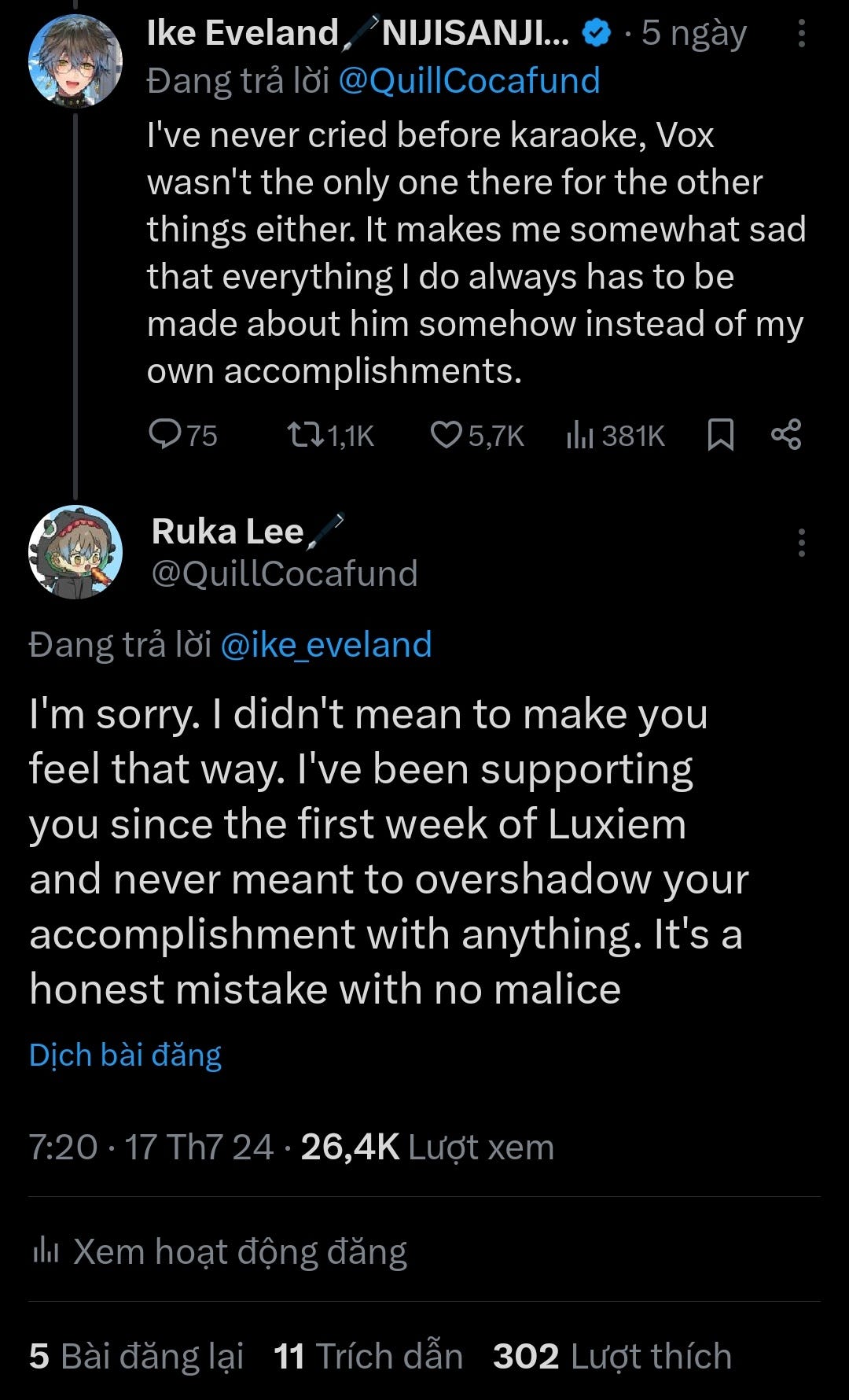
Ike‘s comment triggered cyber violence against one of his loyal fans. What struck me the most wasn't the incident itself but the aftermath. While the fan suffered significant psychological distress, even some death threat, Ike’s popularity remained mostly unaffected without any replies and apologizes.
In fact, Ike's influence seemed to grow even stronger. He soon secured an online concert collaboration with Hatsune Miku, another iconic virtual character. This event highlighted the immense, and sometimes unsettling, power that virtual influencers wield on social media.
Virtual influencers like Ike are part of a growing trend, reshaping how we engage with content and each other online, but ethical implications come with it.
The Rise of Virtual Influencers
The rise of virtual influencers is not just a passing fad.
According to a March 2022 survey by WGSN, 58% of Americans aged 18 and older admitted to following at least one virtual influencer on social media. HypeAuditor reports that these digital personalities enjoy engagement rates three times higher than human influencers.
Since Lil Miquela’s debut in 2018, the virtual influencer market has exploded. It has reached a value of $4.6 billion and is expected to grow at an annual rate of 26% by 2025.
What’s more, virtual influencers are increasingly becoming integrated into mainstream culture. From fashion collaborations to music partnerships, these digital beings are not just figures on a screen—they are shaping trends and influencing real-world behaviors. The huge reach of virtual influencers on social media is a double-edged sword. Comments from virtual influencers can trigger online violence against real audiences. But their huge influence on social media also helps them gain an emerging position in marketing strategy.
What Makes Virtual Influencers Tick?
Virtual influencers are more than just digital avatars.
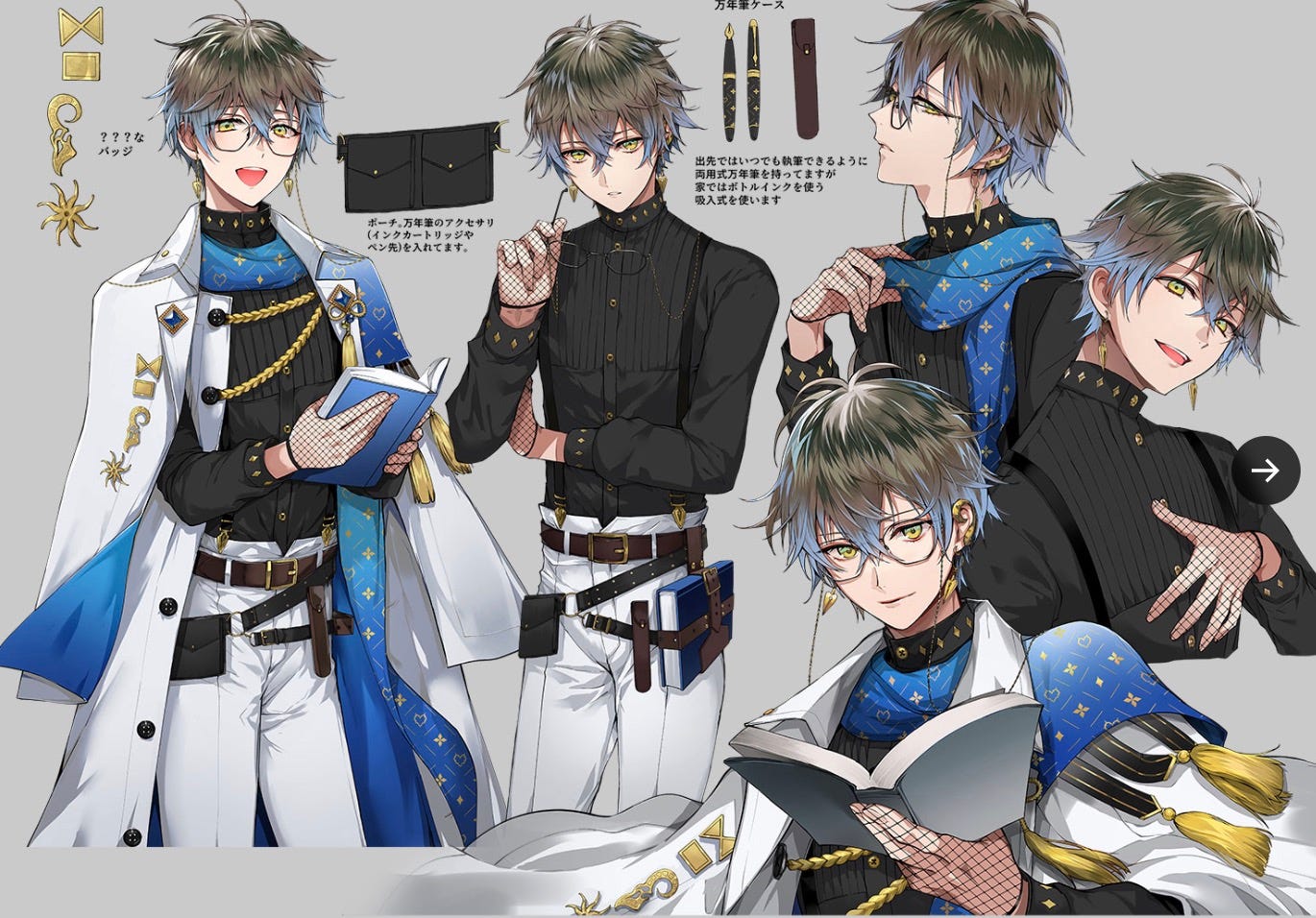
They are carefully crafted characters brought to life through advanced CGI, motion capture, and AI technologies. These personas mimic the behavior of human influencers—they post selfies, share daily life updates, and engage with fans.
However, the key distinction lies in their existence—or rather, their non-existence. The virtual influencers like Ike are products of fiction, controlled by real human streamers, who script every interaction, every post, and every collaboration. That makes virtual streamers more like a real person with a quadratic style.
However, AI virtual influencers are another important type. For instance, Aitana, a virtual influencer from Barcelona. She recently partnered with the hair salon Llongueras, sharing photos of her new hairstyle on Instagram. But the entire experience was fabricated—a product of AI technology. Although Aitana and its designer may have not visited the salon, her post received widespread attention.

Different types of virtual influencers have a high degree of cooperation and a simple publicity process. So collaborating with virtual influencers allows brands to explore innovative ways to connect with consumers. It also brings new structure of ads storytelling and significant ethical questions about authenticity and ethics in marketing.
Marketing Strategies: Virtual streamer vs. AI human Influencers
The marketing strategies of different types of virtual influencers vary significantly depending on their target audience.
For example, Ike is one of virtual streamers, who can promote some online products very well, such as video games like Unpacking. However, his effectiveness in promoting physical products is limited. His deep involvement with video games in live streaming is difficult to achieve with physical products. So brands like KFC might cooperate with Ike by providing some relative goods for his fans.
The other kind of virtual influencer is,AI human-like influencer. For example, Miquela (@lilmiquela on Instagram), who is totally designed by AI but has extremely human face. She has collaborated effectively with many physical brands like Prada. She definitely has broader audience, compared to virtual streamers. But because of the lack of in-depth sharing like Ike, her promotion is focusing on increasing brand awareness. Although posters made through AI are fancy, no different from human, which of you will buy a product recommended by an AI ?

Ethical Dilemmas in the Virtual World
As virtual influencers taking over our social media, it’s harder to tell the difference between reality and virtual world.
A recent study revealed that people can only distinguish real images from AI-generated ones 61% of the time. This growing indistinguishability raises important ethical considerations.
Should virtual influencers be held to the same standards as human influencers, especially regarding transparency and accountability? The U.S. Federal Trade Commission (FTC) argues that they should. The FTC has called for virtual influencers to disclose brand sponsorships just as human influencers do. Meanwhile, advertising agencies like Ogilvy & Mather are pushing for clearer regulations on AI marketing content.
Despite these efforts, regulations surrounding virtual influencers remain in their infancy. The Ike incident highlights the problem of how to deal with the relationship between virtual influencer and human audience. Is protecting human fans more ethical? Or should we give virtual influencers the same right to be forgiven and understand it as an innocent mistake?
The Future of Virtual Influencers
The future of virtual influencers is bright but complex.
As audiences, we enjoy the novel experience and spectacle brought by virtual technology. But we also gradually lose the perception of reality in continuous immersion. The debate: “Should we protect real audiences or give virtual influencers real people’s rights?” is still a dilemmas.